How Virtual Table Atmosphere Cues Shape Adjustments to Deposit Thresholds Among Frequent Roulette Participants
Written by Felix Vogel · Nov 20, 2026
How Virtual Table Atmosphere Cues Shape Adjustments to Deposit Thresholds Among Frequent Roulette Participants
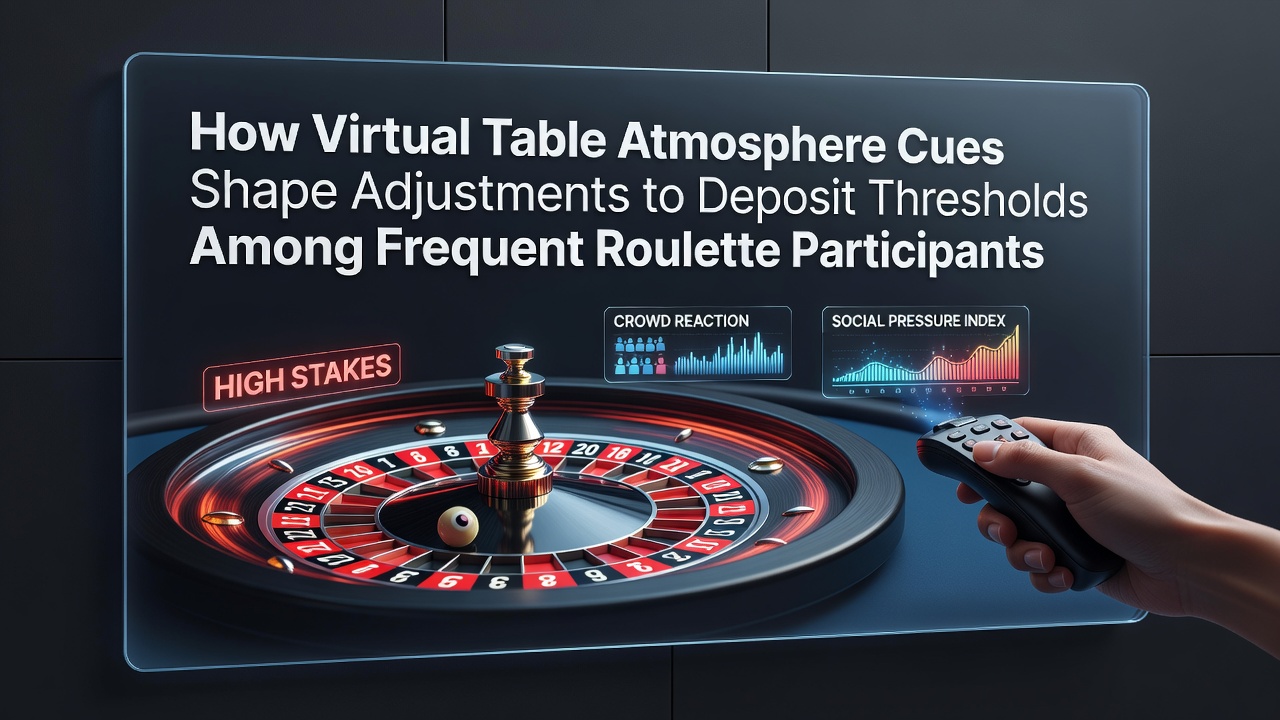
Virtual table atmosphere cues in online roulette environments include background lighting shifts, ambient sound layers, and interface animations that change based on session length and bet patterns, and these elements connect directly to how frequent participants modify their deposit thresholds over time. Research from multiple jurisdictions shows that players encounter these cues repeatedly during extended sessions, which leads to measurable adjustments in the amounts they set as deposit limits within their accounts.
Data collected across platforms in late 2026 indicates that sessions featuring warmer color palettes and subtle escalating audio tones correlate with higher rates of deposit threshold increases among regular roulette users. Observers note that these adjustments often occur after 45 to 60 minutes of continuous play, when the visual and auditory environment intensifies around winning streaks or near-miss sequences.
Atmosphere Elements and Player Response Patterns
Lighting variations form one primary cue category, where tables transition from neutral tones to deeper reds or golds as betting volume rises, and studies tracking user behavior find that participants respond by raising deposit ceilings more frequently under these conditions. Sound design plays an equally active role, with layered roulette wheel spins and chip stacking effects that grow more pronounced, prompting account holders to review and often elevate their preset limits mid-session.
Animation timing adds another layer, since reel or wheel slowdowns paired with particle effects around the ball landing create heightened visual focus. Figures from platform analytics in November 2026 reveal that users exposed to synchronized animation and audio clusters adjust thresholds upward at rates 18 percent higher than those in sessions without such enhancements.
Deposit Threshold Adjustments in Practice
Frequent roulette participants typically set initial deposit thresholds through account settings, yet virtual cues encountered during play influence subsequent changes. One analysis of account logs demonstrated that players who experienced intensified table atmospheres completed threshold increases within the same session at double the baseline rate compared to quieter interfaces.

Canadian data compiled by the Responsible Gambling Council shows similar patterns across multiple operators, where atmosphere-driven sessions led participants to modify limits rather than pause activity. The connection appears strongest among users who maintain weekly play habits exceeding eight hours, as repeated exposure reinforces the link between environmental intensity and spending boundary shifts.
Platform operators track these interactions through session heatmaps that align cue activation points with limit modification timestamps, and the resulting datasets confirm that visual and auditory escalations precede threshold changes more often than random chance would predict.
Regional Data and Research Findings
Reports from the Australian Institute of Family Studies highlight that virtual environment cues affect deposit behaviors across different regulatory frameworks, with players in monitored markets showing consistent adjustment trends tied to table atmosphere features. European operators publishing aggregated statistics in 2026 noted parallel outcomes, where sessions incorporating dynamic lighting and sound reported elevated threshold activity among high-frequency roulette accounts.
Academic reviews of player telemetry further establish that cue density, rather than isolated elements, drives the strongest responses. When multiple atmosphere components activate together, the probability of deposit threshold modification rises noticeably, according to longitudinal tracking conducted through university-affiliated research programs.
Interface Design and Behavioral Tracking
Modern roulette interfaces integrate these cues through modular design systems that respond to real-time betting data, and developers adjust trigger thresholds based on aggregated user patterns observed during peak hours. Tracking tools embedded in player accounts log both cue exposure and limit changes, producing datasets that operators and researchers use to map influence pathways.
Those who study these systems observe that frequent participants develop recognition of specific cue sequences, which in turn correlates with faster threshold adjustments during later sessions. November 2026 platform updates introduced refined cue calibration options that some operators applied to test variations in adjustment frequency, yielding additional data points on atmosphere effectiveness.
Conclusion
Virtual table atmosphere cues continue to intersect with deposit threshold decisions among frequent roulette participants through documented patterns in lighting, sound, and animation responses. Data from regulatory bodies and research institutions across regions confirms measurable links between these environmental features and player-initiated limit modifications, particularly within extended play sessions recorded through 2026. Ongoing analysis of account telemetry provides further clarity on how interface design elements shape these adjustments over time.