Connections Between Loyalty Reward Tiers and Game Selection Patterns in Multi-Platform Casino Environments
Written by Felix Keller · Oct 23, 2026
Connections Between Loyalty Reward Tiers and Game Selection Patterns in Multi-Platform Casino Environments
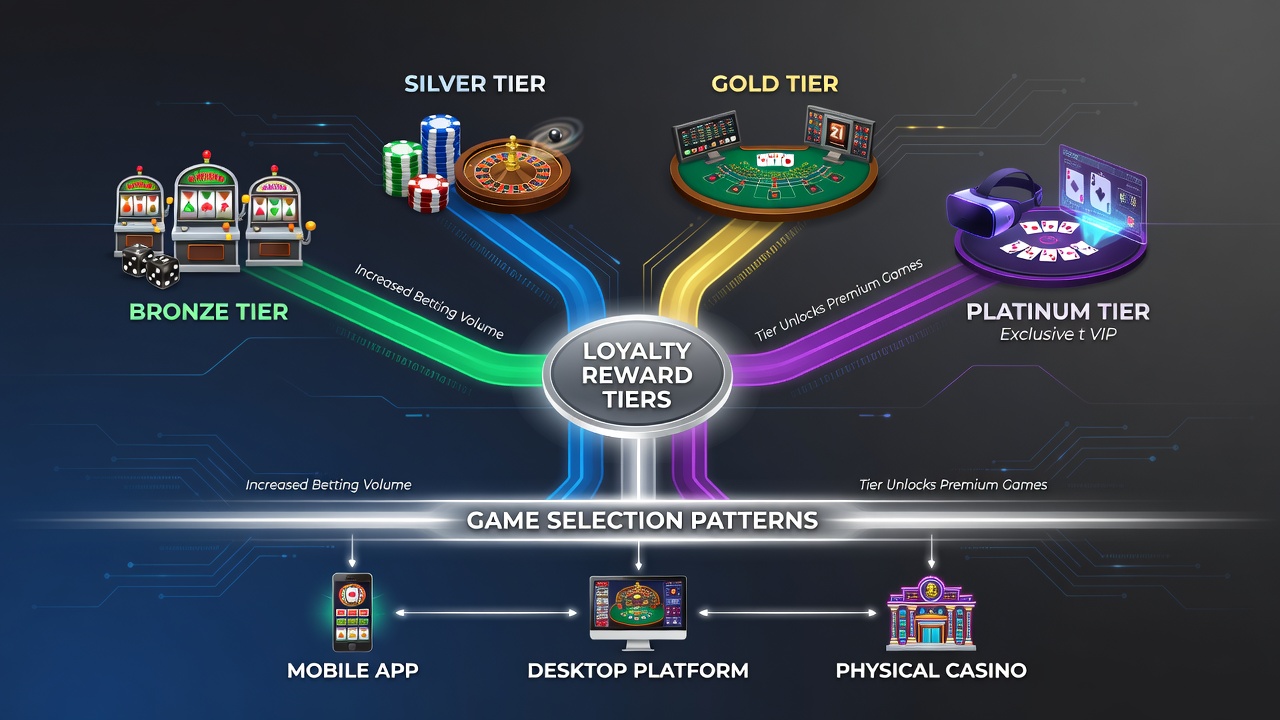
Multi-platform casino operations integrate loyalty programs that track player activity across land-based venues, mobile applications, and web-based sites, and these systems create measurable links between reward tier status and the types of games participants choose. Operators collect data on betting volume, session length, and game category, then assign points that determine tier placement from entry-level to premium categories, and higher tiers often unlock accelerated point multipliers or exclusive game access that influences selection habits over time.
Research from industry reports indicates that players in elevated tiers shift preferences toward games with higher house edges or specific volatility profiles when reward structures emphasize volume-based bonuses, while entry-level participants remain concentrated in lower-stakes options. Data compiled across North American and European operators shows consistent patterns where gold or platinum tier members allocate a larger share of play to table games and live dealer formats compared with bronze members who favor video slots and automated table variants.
Tier Structures and Point Accumulation Mechanics
Loyalty frameworks assign points based on wager amounts and game contribution rates, with slots typically earning at full value while table games and certain video poker variants receive reduced multipliers, and this weighting directs behavior because participants seek to maximize tier advancement speed. Observers note that once players reach mid-tier thresholds, the perceived value of continued play rises, prompting adjustments in game choice to maintain or accelerate point gains before expiration periods reset accounts.
Multi-platform environments compound these effects because unified accounts allow points earned on a mobile slot session to contribute toward teh same tier as a land-based poker tournament, and operators use this continuity to encourage cross-platform migration. Figures from regulatory filings in Nevada and Ontario reveal that tiered members who engage with multiple channels demonstrate higher retention rates and broader game portfolios than single-platform users.
Observed Shifts in Game Selection by Tier Level
Studies tracking player cohorts over multi-year periods find that entry-tier participants spend the majority of time on high-frequency, low-volatility titles that align with smaller bankrolls, whereas premium-tier holders expand into progressive jackpot games and high-limit rooms when bonus structures reward milestone achievements. One analysis of aggregated transaction records demonstrated that platinum members increased table game participation by measurable margins after tier upgrades, while silver members showed minimal movement away from core slot libraries.
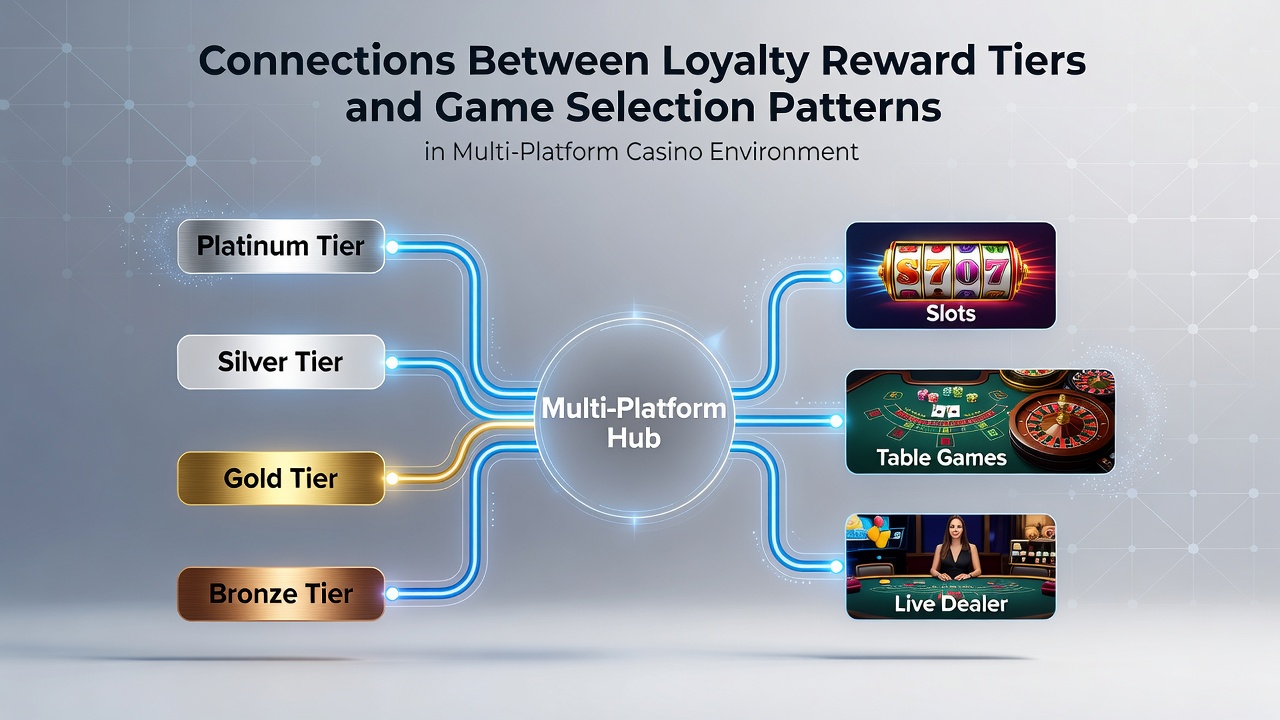
October 2026 data releases from several major operators highlighted seasonal spikes in live dealer engagement among elevated tiers during promotional windows tied to tier qualification deadlines, and these patterns emerged consistently across both U.S. and Australian markets. The integration of real-time tier dashboards within apps allows players to monitor progress, which correlates with deliberate switches to games that carry favorable point ratios during the final weeks of qualification cycles.
Platform-Specific Influences on Tier-Driven Choices
Mobile interfaces often present simplified game menus weighted toward quick-play options that support steady point accumulation, while desktop sites and physical floors offer deeper selections that premium-tier players access through dedicated portals. Regulatory summaries from state gaming boards in New Jersey and provincial authorities in British Columbia document that cross-platform users in higher tiers exhibit greater experimentation with new game releases when loyalty benefits include early access or reduced minimum bets.
External factors such as tournament schedules and live event tie-ins further shape these dynamics because operators frequently reserve elite-tier invitations for specific game categories, and participants respond by reallocating playtime accordingly. Industry association reports confirm that these targeted promotions produce measurable upticks in the promoted titles without disrupting overall session volumes.
Data Patterns Across Regions and Timeframes
Longitudinal tracking conducted by research institutions shows that teh connection between tier status and game selection strengthens as account tenure increases, with long-term members demonstrating more pronounced shifts than newer entrants. Geographic variations appear in the data, where North American markets emphasize slot-to-table transitions while European operators record stronger movement toward live casino formats at mid-to-high tiers.
According to findings published by the American Gaming Association, tier progression correlates with diversified game portfolios rather than concentration in single categories, and similar trends surface in reports issued by the Australian Gambling Research Centre. These observations hold across demographic segments when controlling for session frequency and average bet size.
Conclusion
The documented relationships between loyalty reward tiers and game selection patterns reflect structured incentive designs that operators apply uniformly across integrated platforms, and ongoing data collection continues to refine how these systems guide participant behavior in measurable ways. Continued monitoring by regulatory bodies and research organizations provides the factual basis for understanding these connections without introducing subjective interpretation.